From Hollywood to Catholic Fiction – My Journey from Script to Prose
It was a long, delayed commute to work that day. It didn’t help that the wind chill was close to zero, and my normal twenty-minute walk from Penn Station to the Flatiron section of New York City felt like it would never end.
It would be another day of sales pitches and meetings, but my mind kept drifting to the stories I wanted to write—stories that could move someone from one way of seeing the world to another.
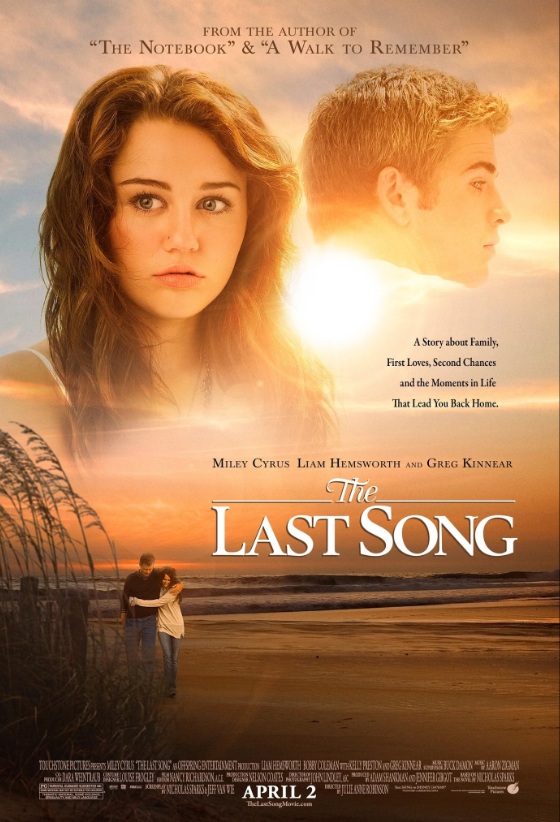
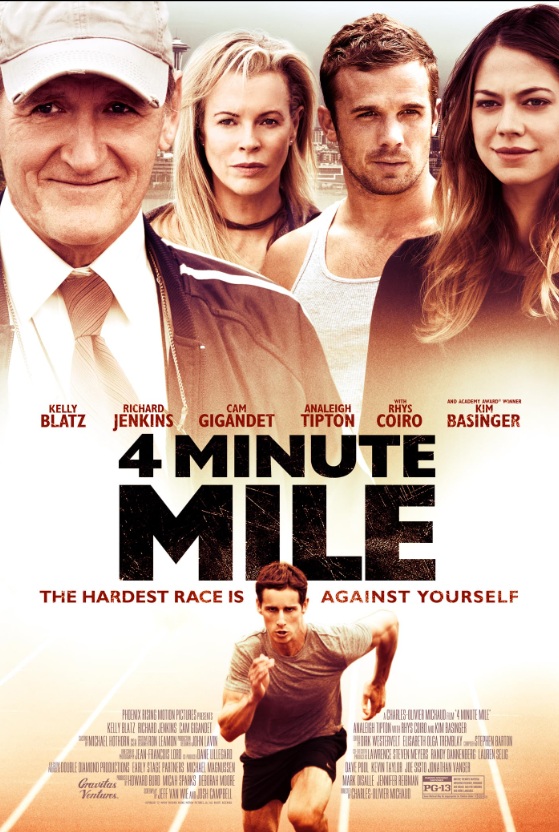
Two years earlier, I experienced the excitement of the release of my second film, 4 Minute Mile, starring Kim Basinger and Richard Jenkins. It felt like a lifetime since the release of The Last Song, starring Miley Cyrus, which I co-wrote with my college buddy and mentor, Nicholas Sparks.
The ride up the rickety elevator was nothing short of a miracle that it got me to the seventh floor of our turn-of-the-century, ten-story building.
The office was empty. Leftover dinner boxes in the conference room signaled another long night for team members grinding through proposals, hoping to land the next big client.
As I entered my workspace, a copy of The Village Voice sat on a side table next to a chair reserved for visitors. The headline plastered across the top read:
God Save Faith-Based Films.
The title caught me off guard—but it also made me think.
I had seen some pretty good faith-based films over the years—Chariots of Fire, The Blind Side, to name a couple. But the article wasn’t referring to those kinds of films—stories made for a broad audience, where faith subtly supports the character’s journey.
No, this was about Christian films more explicitly rooted in the teachings of Christ—stories where faith isn’t secondary, but central. Films like Facing the Giants—a box office success, and an inspirational one at that.
The article focused on the second in the God Is Not Dead series. To be honest, I don’t remember all the specifics of the critique—likely the usual points about dialogue or plot—but the tone stuck with me.
Because making a film is hard. Getting the script, casting, production, and financing all aligned is nothing short of a miracle.
And the dismissiveness in that headline hit me harder than I expected.
I had two films under my belt—and I found myself wanting to respond. Not with an argument, but with a story.
As someone whose life has been shaped by the Holy Spirit, I felt called to write something that reflected that reality—something that didn’t just present faith, but lived it out through the characters.
Outlining the script came easily.
It started with a question. As a lifelong soccer fan, I wondered what would happen to a young athlete cut from his squad—if the stakes were high enough. Say, a La Liga team in Spain.
Then I pushed it further.
What if the protagonist was an orphan with no understanding of God? No foundation. No reference point.
How does someone like that rise above failure, loss, and identity—without knowing the love of Christ?
That question became the foundation for a screenplay I titled Bound for Glory.
But writing the story forced me to confront something I hadn’t fully considered before.
When belief is already part of your life, it’s easy to write from that place. But for someone with no exposure to faith, the journey has to be different.
That was the moment I realized:
Telling a faith-based story isn’t about inserting belief—it’s about guiding someone toward it.
The script came together—and it was strong enough to be picked up quickly by a producer. We had real momentum.
But like so many projects at the time, COVID brought everything to a halt. Production shut down, funding disappeared, and despite the team’s efforts, the film was never made.
Still, the question the story raised never left me.
Then came the pandemic lockdowns.
Working from home, I decided to do something I had never done before as a screenwriter—write a novel.
I wanted it to be faith-based—specifically for a Catholic reader—but also grounded in story first. A romance between a believer and a non-believer. A journey of conversion, yes—but also one of healing, truth, and even a bit of suspense.
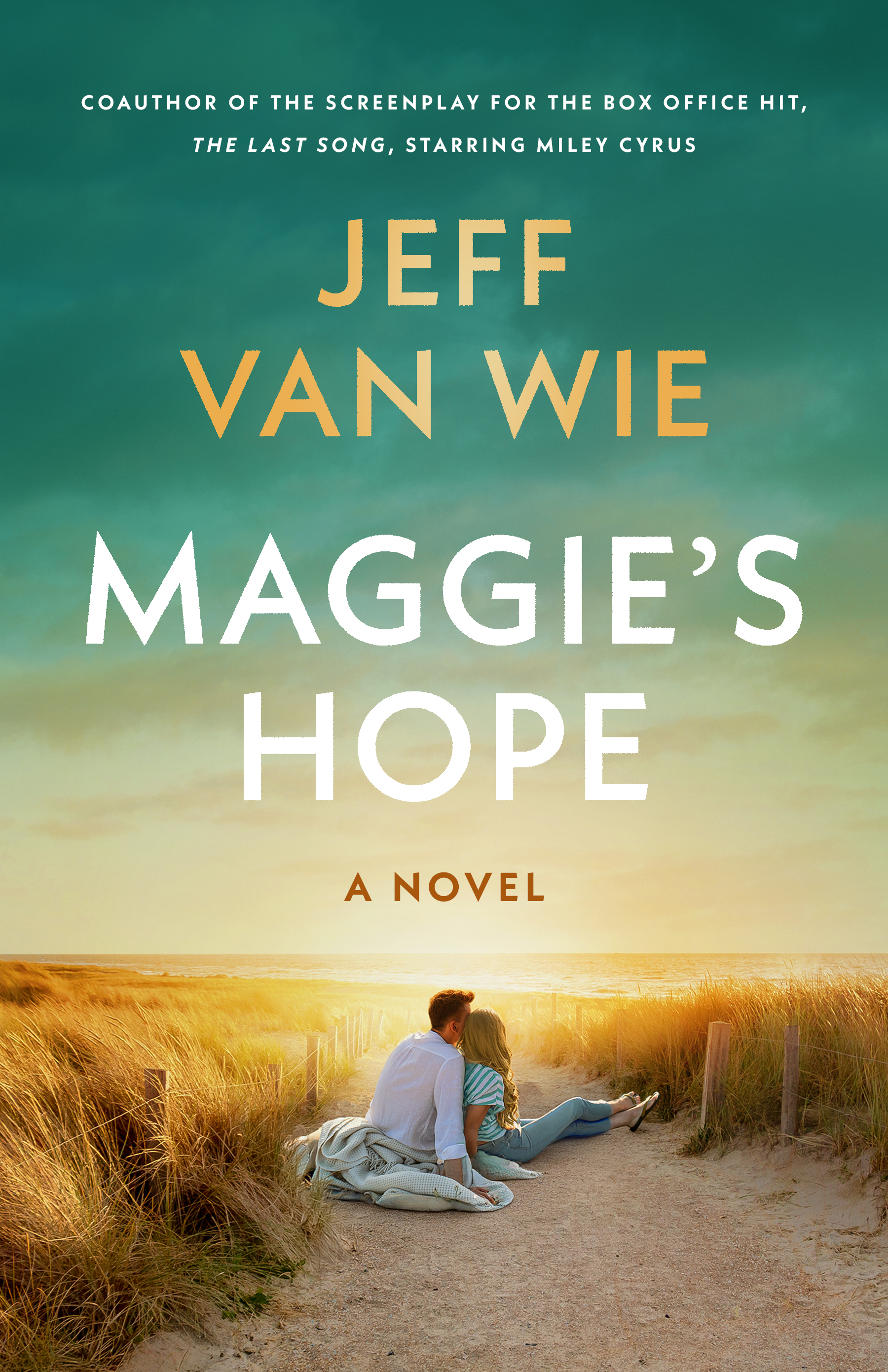
Maggie’s Hope was my first attempt.
I quickly got past the structural hurdle—how to move a character from darkness to light—but the real challenge was the shift in form.
Screenwriting is concise by design—often under 20,000 words. A novel lives in a completely different space, typically closer to 80,000. It demands depth—of setting, of character, of interior life.
Instead of writing through the lens of a camera, I had to write from within the character’s point of view.
It’s a subtle distinction—but an important one, and not an easy transition to make.
Fortunately, I worked with an exceptional editor who guided me through multiple rewrites and introduced me to deep POV techniques that helped bring the story to life in a new way.
At the same time, writing Maggie’s story became a journey through my own faith.
Maggie begins with little understanding of Christianity, and even less of the Catholic Church. As my male lead guides her through that process, I found myself revisiting my own path—what it means to come to belief, and to accept the truth we hold as Catholics:
“I am the way and the truth and the life. No one comes to the Father except through me.”
Maggie’s Hope is the story of a woman running from her past who discovers that healing begins not with escape—but with truth.
Maggie's Hope is my debut Catholic romantic suspense novel, exploring faith, healing, and second chances.
Maybe that article had it wrong.
Or maybe the author simply hadn’t encountered a story where faith wasn’t forced—but discovered.
Because in the end, the stories that stay with us are not just the ones that help us escape—but the ones that lead us to truth.